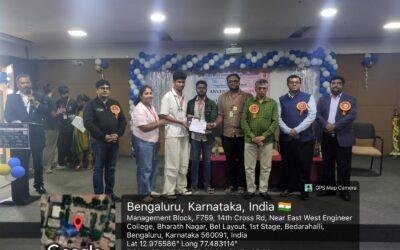
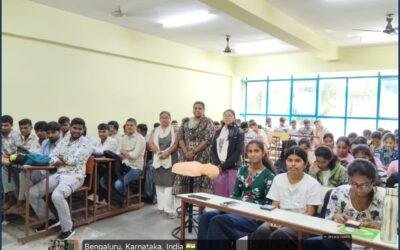
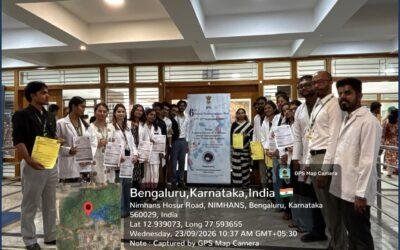
The National Service Scheme (NSS) Unit of East West College of Pharmacy, Bengaluru, organized a Breast Cancer Awareness Programme on 29th October 2026 in association with Rajiv Gandhi University of Health Sciences (RGUHS), Bengaluru. The programme aimed to create awareness about breast cancer, emphasize the importance of early detection, promote preventive health practices, and encourage individuals to seek timely medical consultation.
The initiative reflected the NSS commitment to community health, health education, and social responsibility under the motto “Not Me, But You.”
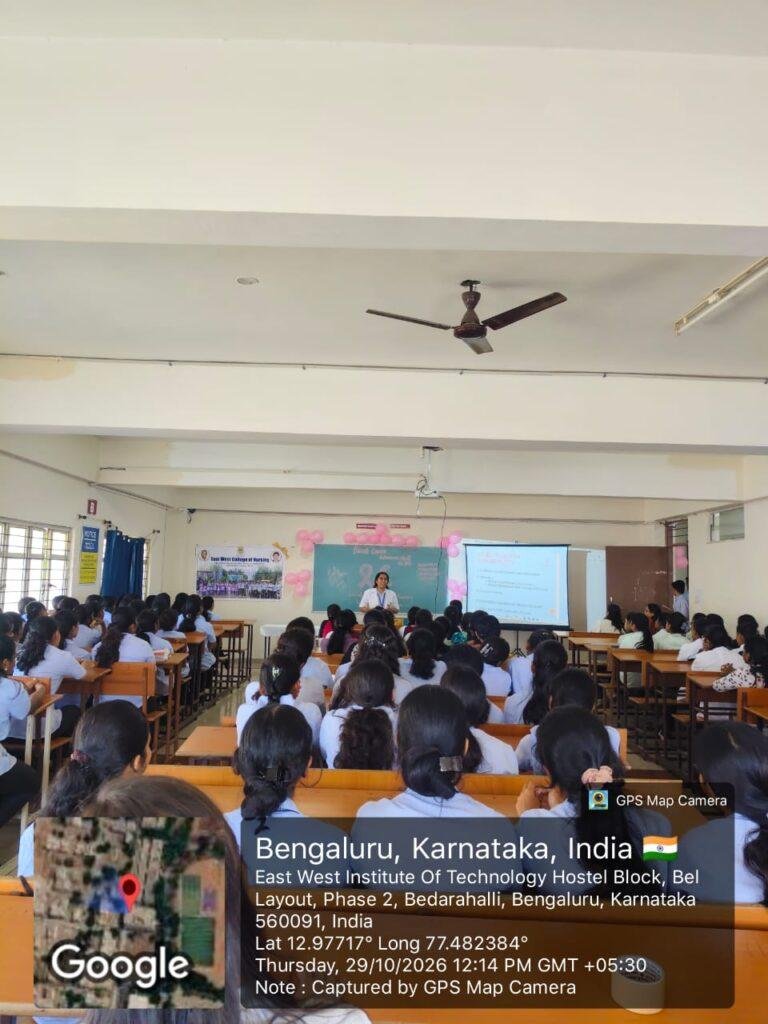
The programme was organized to sensitize students and the campus community to the importance of breast cancer awareness and early diagnosis. The initiative highlighted the need for greater understanding of breast health, recognition of unusual breast changes, and timely consultation with qualified healthcare professionals.
The awareness programme emphasized that early identification of breast abnormalities and appropriate medical evaluation can facilitate timely diagnosis and treatment. Participants were encouraged to seek medical advice if they noticed changes such as a new breast lump, changes in breast shape or size, skin dimpling, nipple changes, or unusual nipple discharge.
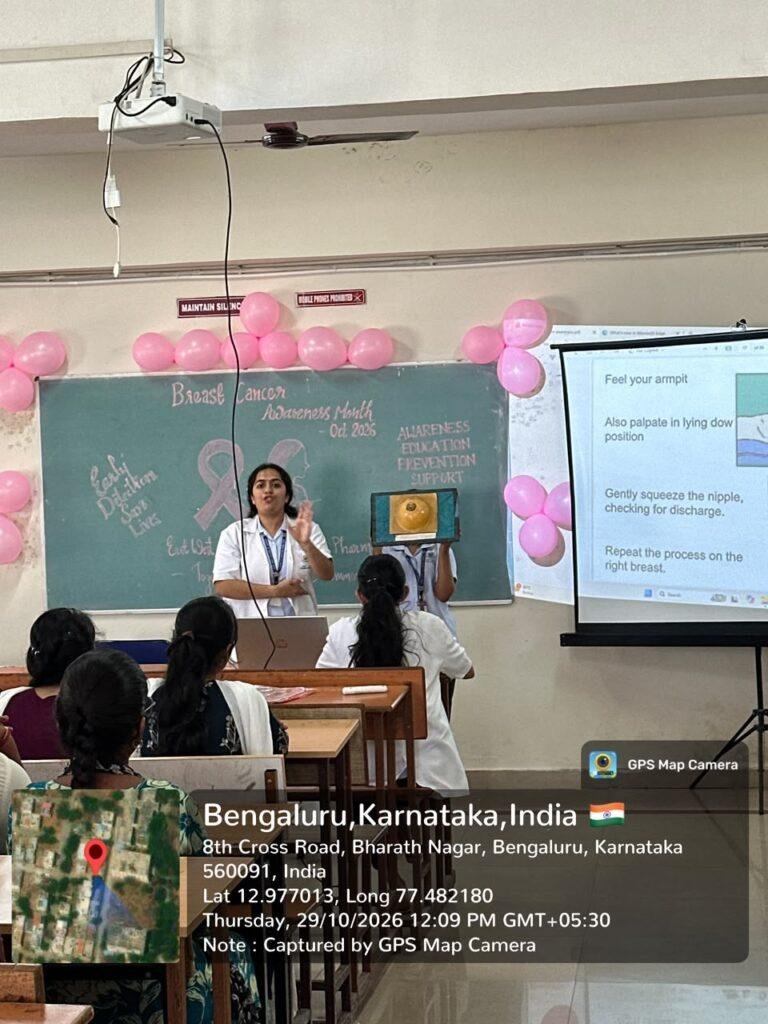
The programme also highlighted the importance of following age- and risk-appropriate breast cancer screening recommendations under professional medical guidance. It encouraged open discussions about breast health and emphasized the need to support individuals affected by breast cancer with compassion, dignity, and understanding.
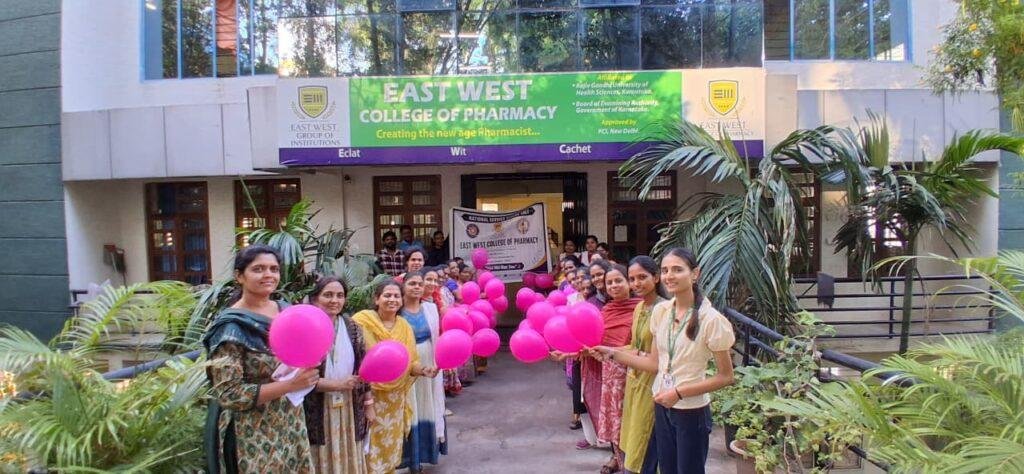
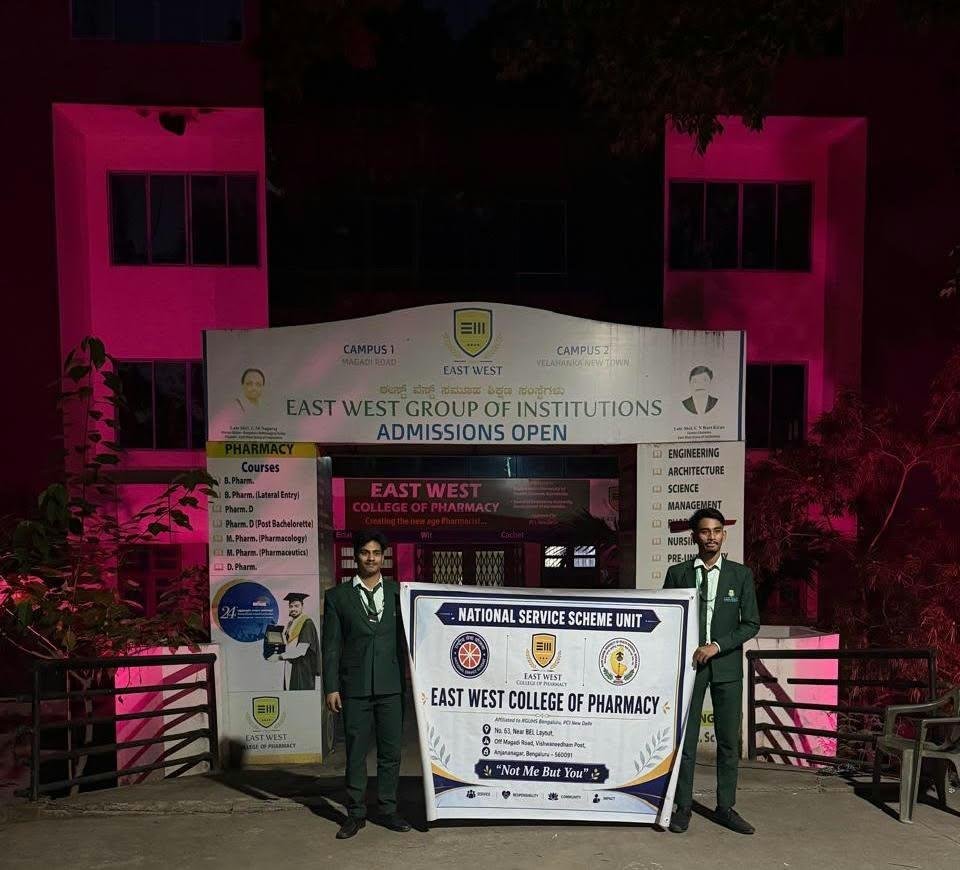
Also, the campus illumination in pink was envisioned as a meaningful visual expression of the institution’s commitment to breast cancer awareness. The pink lighting symbolized hope, strength, courage, and support for individuals affected by the disease. The symbolic illumination also served as a reminder to students, faculty members, and the campus community that breast cancer awareness is a shared responsibility. Through such visible initiatives, educational institutions can encourage conversations about breast health and motivate individuals to seek professional medical advice whenever they notice unusual changes.